VetFluid

Antibiotic Therapy

Penicillin G

Natural injectable penicillin · bactericidal (cell-wall synthesis inhibitor)

Species: Dogs & Cats13 dose protocols14 dosage forms

This page is a calculation and educational reference for veterinarians and veterinary students. It does not replace examination, culture and susceptibility testing, clinical judgment, or the attending veterinarian's final decision.

Drug overview

Natural injectable penicillin · bactericidal (cell-wall synthesis inhibitor)

Brand names: Pfizerpen®, Penikel®, Benzapro®, Procaben Vet®
Aqueous penicillin G (sodium/potassium): 20,000–40,000 IU/kg parenterallySource: Plumb's Veterinary Drug Handbook

Spectrum of activity

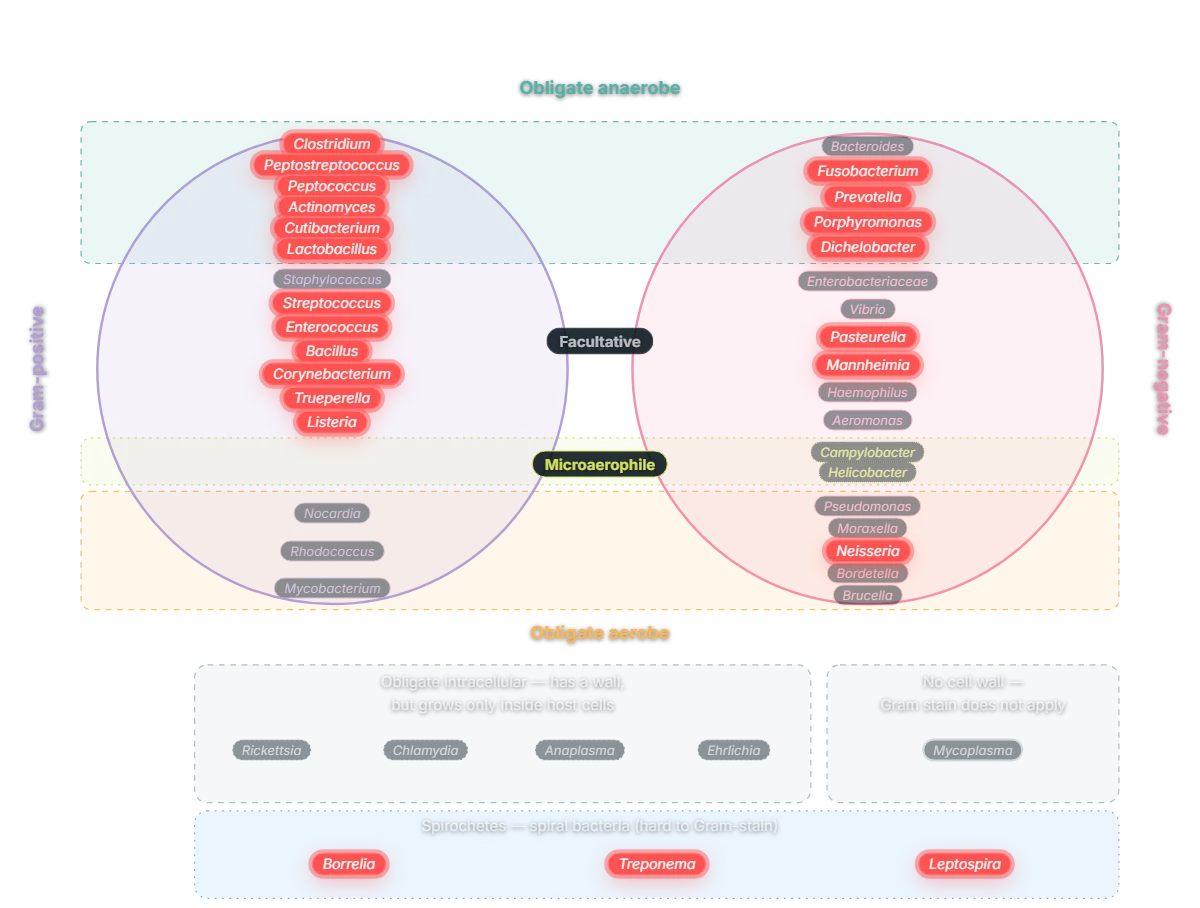
A natural, bactericidal, narrow-spectrum penicillin. It is active against susceptible streptococci, selected Gram-positive cocci and bacilli, many anaerobes (except the Bacteroides fragilis group), Pasteurella, and spirochetes. It does not reliably cover enteric Gram-negative organisms such as E. coli or Klebsiella, Pseudomonas, Mycoplasma, or beta-lactamase-producing bacteria; consequently, most staphylococci are not covered. Clinical selection should account for the infection site and culture and susceptibility results.
Penicillin G spectrum of activity chart
Open the full-size spectrum image

Veterinary uses and doses

Aqueous sodium/potassium salt (short-acting; IV/IM)

DogSource: Plumb's Veterinary Drug Handbook

Systemic infection caused by a susceptible organism: 20,000–40,000 IU/kg every 4–6 h

DogSource: Plumb's Veterinary Drug Handbook

Orthopedic infection caused by a susceptible organism: 20,000–40,000 IU/kg IV every 6 h

DogSource: ACVIM Leptospirosis Consensus Statement 2023

Leptospirosis when doxycycline cannot initially be tolerated: 25,000–40,000 IU/kg IV every 6–8 h

Clinical note: This is initial treatment for the acute phase only and does not eliminate renal carriage. As soon as oral treatment is tolerated, start doxycycline 5 mg/kg PO every 12 hours and continue it to complete 14 total days of antimicrobial treatment.
CatSource: Plumb's Veterinary Drug Handbook

Cat; systemic infection caused by a susceptible organism: 20,000–40,000 IU/kg every 6 h

Pure procaine 300,000 IU/mL (IM/SC)

Dogs & CatsSource: Penikel 300 veterinary product information (2024)

Infection caused by a susceptible organism: 20,000–40,000 IU/kg every 12–24 h for no more than 5 days

Dogs & CatsSource: Procaine Penicillin “30” official veterinary label (2021)

Respiratory infection caused by susceptible Pasteurella or Gram-positive cocci: 10,000–30,000 IU/kg IM every 24 h

DogSource: Plumb's Veterinary Drug Handbook (older regimen)

Canine actinomycosis: 100,000–200,000 IU/kg IM every 24 h

Clinical note: This regimen comes from an older source. Management of actinomycosis should be guided by culture and susceptibility, drainage/debridement of the focus, and regular reassessment.
CatSource: Plumb's Veterinary Drug Handbook (older regimen)

Feline actinomycosis: 50,000–100,000 IU/kg every 12 h

Clinical note: This regimen comes from an older source. Treatment should be guided by culture and susceptibility, drainage/debridement of the focus, and regular reassessment.

Fortified 3:1 product (procaine + aqueous salt; IM)

Dogs & CatsSource: Procaben Vet product insert

Veterinary 3:1 product: 20,000 total IU/kg IM every 24 h

Clinical note: The dose is calculated from the total penicillin G units in the 3:1 product. Use of human 400,000- or 800,000-IU products in dogs and cats is extra-label; confirm that the vial contains exactly three parts procaine salt to one part sodium/potassium salt.

Benzathine + procaine 1:1 (long-acting; deep IM)

Dogs & CatsSource: Benzapro official veterinary label (Health Canada)

30,000 total IU/kg (15,000 IU benzathine + 15,000 IU procaine/kg) as one dose

Clinical note: The label includes susceptible respiratory, wound, and uterine infections. Reassess the diagnosis and treatment if no improvement is seen within 36–48 hours.

Pure benzathine (very long-acting; IM)

DogSource: Plumb's Veterinary Drug Handbook

Dog: 40,000 IU/kg IM every 5 days if needed

Clinical note: Benzathine produces low blood concentrations and is appropriate only for highly susceptible organisms and infections that do not require high, sustained concentrations.
CatSource: Plumb's Veterinary Drug Handbook

Cat: 50,000 IU/kg IM every 5 days if needed

Clinical note: Benzathine produces low blood concentrations and is appropriate only for highly susceptible organisms and infections that do not require high, sustained concentrations.

Penicillin 6-3-3 (IM; every 48 h)

Dogs & CatsSource: Tripedin veterinary pharmacology monograph

Infection caused by a susceptible organism: 25,000 total product IU/kg IM every 48 h

Clinical note: The dose is calculated from the total IU of all three components. Select it only for a susceptible organism and the matching product composition; for severe infection, central nervous system infection, or leptospirosis, use an appropriate aqueous penicillin G protocol instead.

Dosage forms

Safety and clinical notes

Cited sources

  1. Plumb's Veterinary Drug Handbook
  2. ACVIM Leptospirosis Consensus Statement 2023
  3. Penikel 300 veterinary product information (2024)
  4. Procaine Penicillin “30” official veterinary label (2021)
  5. Plumb's Veterinary Drug Handbook (older regimen)
  6. Procaben Vet product insert
  7. Benzapro official veterinary label (Health Canada)
  8. Tripedin veterinary pharmacology monograph
Calculate a weight-based dose

Drug-data last updated: